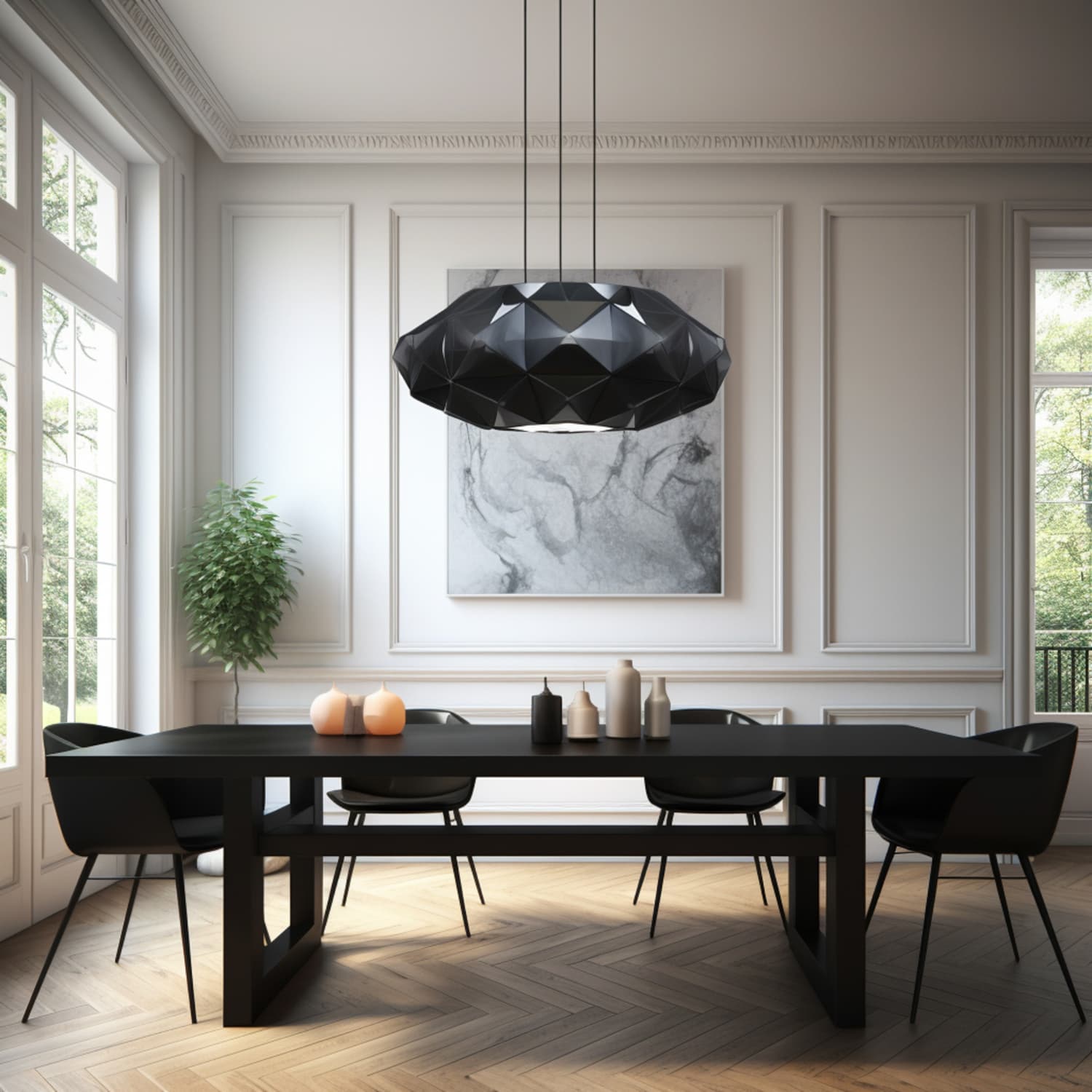
The Rise of Interior Design: Key Insights, Trends, and Today’s Outlook
Interior Design: A Constantly Evolving Field
Interior design has gone through a major transformation in recent years, establishing itself as a dynamic industry within the creative and business world. Well-designed spaces directly impact quality of life, well-being, and productivity for those who live or work in them, which has boosted both its social and professional value. This change is largely driven by new lifestyles, new ways of working, and a growing demand for personalized, functional environments that adapt to different routines.
But interior design goes far beyond decoration. It’s a mix of technique, art, and an understanding of how space affects people, all aimed at creating complete solutions. A project requires knowledge of materials, lighting, acoustics, and furniture—translating all that into decisions that really benefit users. Each project is a unique challenge, balancing the client’s preferences with the building’s constraints.
Over the last few decades, the focus has shifted from being purely aesthetic to including advanced technical and conceptual solutions that address real needs. Digital tools and smart furniture push designers to constantly update their skills and collaborate with fields like engineering and construction. Staying on top of regulations, sustainable materials, and new ways of living is now a must for professionals.
New Skills and Lifelong Learning
Today’s interior designers need a broad skillset that includes project management, sustainability, and digital tech. Ongoing training has become essential to stay competitive and deliver safe, high-quality work. Both young professionals and established studios are investing in courses, certifications, and multidisciplinary teams to provide complete, consistent solutions.
Current Trends and Client Demands
Personalization and functionality remain top priorities for clients. Projects aim to reflect users’ identities and needs while maximizing space through smart storage and multi-use solutions. In cities where space is scarce, every square meter counts—and design must deliver comfort and aesthetics at the same time.
Sustainability has become a core element, not just a “nice to have.” Recycled and low-impact materials are now standard, alongside solutions that boost energy efficiency, like better insulation and natural light strategies. Eco-friendly design means thinking about the lifecycle of materials, durability, and long-term maintenance.
Remote work and new social habits have reshaped homes and offices, making versatility a must. Designers are creating hybrid spaces that combine work, relaxation, and leisure, while technology helps automate routines and improve ergonomics without losing the personal touch.
Clients’ Aesthetic and Functional Preferences
Modern clients expect projects to look good but also solve daily problems. There’s increasing demand for modular solutions that can adapt to different life stages and activities. Realistic 3D visuals and prototypes help clients make better decisions and reduce unexpected issues during construction.
Health and Well-Being Through Design
Interior design plays a huge role in both physical and emotional health. That’s why ergonomic, lighting, and acoustic criteria are built in from the start. Choosing low-emission materials and planning for proper ventilation creates healthier, more comfortable environments. Designers also mediate between regulations, technical experts, and clients to ensure safety and well-being.
A careful diagnosis of the property—flows, storage needs, and critical points—makes spaces more livable and ensures smarter investments. Finishes and furniture are chosen with durability and easy maintenance in mind, saving costs long term and boosting user satisfaction.
Natural elements also play a key role: indoor plants, daylight strategies, and acoustic solutions improve quality of life, concentration, and relaxation.
Ergonomics and Accessibility as Standards
Ergonomics applies not just to furniture but also to space layout, preventing fatigue and injuries. Universal accessibility standards are now part of modern projects, making spaces usable for people of all ages and abilities. Including this from the start avoids costly redesigns and adds social value.
Innovation and Tech as Game Changers
Technology is now a core part of design, from concept to execution. 3D modeling and VR allow clients to see realistic previews, test materials, and explore layouts before building begins.
Smart home systems make it easy to control lighting, climate, and blinds, improving energy efficiency and comfort. The designer’s job is to integrate this tech smoothly into the overall look and feel.
New materials like smart textiles or self-cleaning finishes expand possibilities, while modular, on-demand furniture helps reduce waste. Evaluating cost, performance, and project fit is key when adopting these innovations.
Digital Processes and Sustainability
Digital project management tools improve coordination between everyone involved, from budget tracking to scheduling. When combined with sustainable practices, they help optimize resources, reduce errors, and save both time and money.
Tradition Meets Modernity
Mixing traditional elements with contemporary design adds richness and character. Many projects focus on preserving architectural memory—restoring beams or traditional flooring while integrating modern systems.
Blending antiques with modern pieces creates unique, non-uniform spaces. Using local craftsmanship and native materials adds cultural value and strengthens identity. Reinterpreting classic styles through a modern lens creates timeless designs that balance history with today’s comfort and efficiency.
Circular Economy and Creative Reuse
Circular design means selecting recyclable materials and encouraging reuse. Upcycling furniture for new purposes reduces waste and makes spaces more unique. These approaches promote responsible consumption and can even become a signature part of a designer’s style.
The Future of Interior Design: Challenges and Opportunities
Interior design faces big challenges around sustainability, inclusivity, and adapting to social and technological shifts. Waste reduction, creative reuse, and circular economy principles will play a central role in future projects. Clients are also asking for more transparency and solutions that add real everyday value.
Collaboration across disciplines—architects, landscapers, tech experts—is becoming more common, leading to projects that are more holistic and sustainable long-term.
Accessibility and inclusivity are gaining momentum too, ensuring spaces work for people of all ages and abilities. Adapting global trends to local contexts will be crucial for future success.
Choosing Interior Design Services: What to Look For
When hiring an interior design service, it’s important to evaluate their experience, listening skills, and ability to balance aesthetics with functionality. A good studio guides the client from concept through to completion, managing timelines, budgets, and technical details carefully.
Key services include handling permits, coordinating contractors, and supervising the work—all of which minimize risks during execution. Technical training and real-world experience are also important factors when choosing a team.
The best partnerships are built on trust, transparency, and shared goals. For those seeking inspiration and practical references, exploring specialized resources and portfolios can provide valuable insights.
For anyone wanting to dive deeper into modern projects, tools, and success stories, the website of interior design services is a standout resource. Checking out portfolios and case studies helps you make informed decisions and find the style and team that best fit your project.